April 29, 2026
When planning a home remodel, one of the most significant choices you'll make is the type of flooring to install. Hardwood flooring has long been a favorite among homeowners for its aesthetic appeal and durability. However, choosing hardwood floors involves more than just selecting a type and a color; there are several factors to consider to ensure that the new flooring meets both your needs and your lifestyle. From understanding different types of hardwood to assessing your home's environment, it's essential to be informed. This article will guide you through the considerations necessary to make an educated and satisfying decision regarding hardwood flooring for your remodel.
Understanding Different Types of Hardwood
Solid vs. Engineered Hardwood
Solid hardwood flooring consists of single pieces of wood, offering a timeless and classic look. It can be refinished multiple times, which is ideal for lasting longevity. Engineered hardwood, on the other hand, is made up of layers of wood veneer, which makes it more stable, especially in environments that experience fluctuating humidity levels. While solid hardwood might be preferable for areas with stable atmospheric conditions, engineered hardwood works well in basements or locations with moisture concerns. The choice between the two often depends on the specific needs of your home and the conditions of the installation site.
Common Hardwood Species
The species of wood you choose significantly impacts both aesthetics and durability. Oak, Maple, and Cherry are popular choices due to their durability and wide availability. Exotic species like Brazilian Cherry and Tigerwood can add a unique touch but might come with higher costs and additional maintenance considerations. Each species has its unique grain patterns and color variations, which can range from traditional to contemporary looks. Weighing the pros and cons of domestic versus exotic hardwoods is crucial to achieving the desired look and function for your space.
Grain Patterns and Visual Appeal
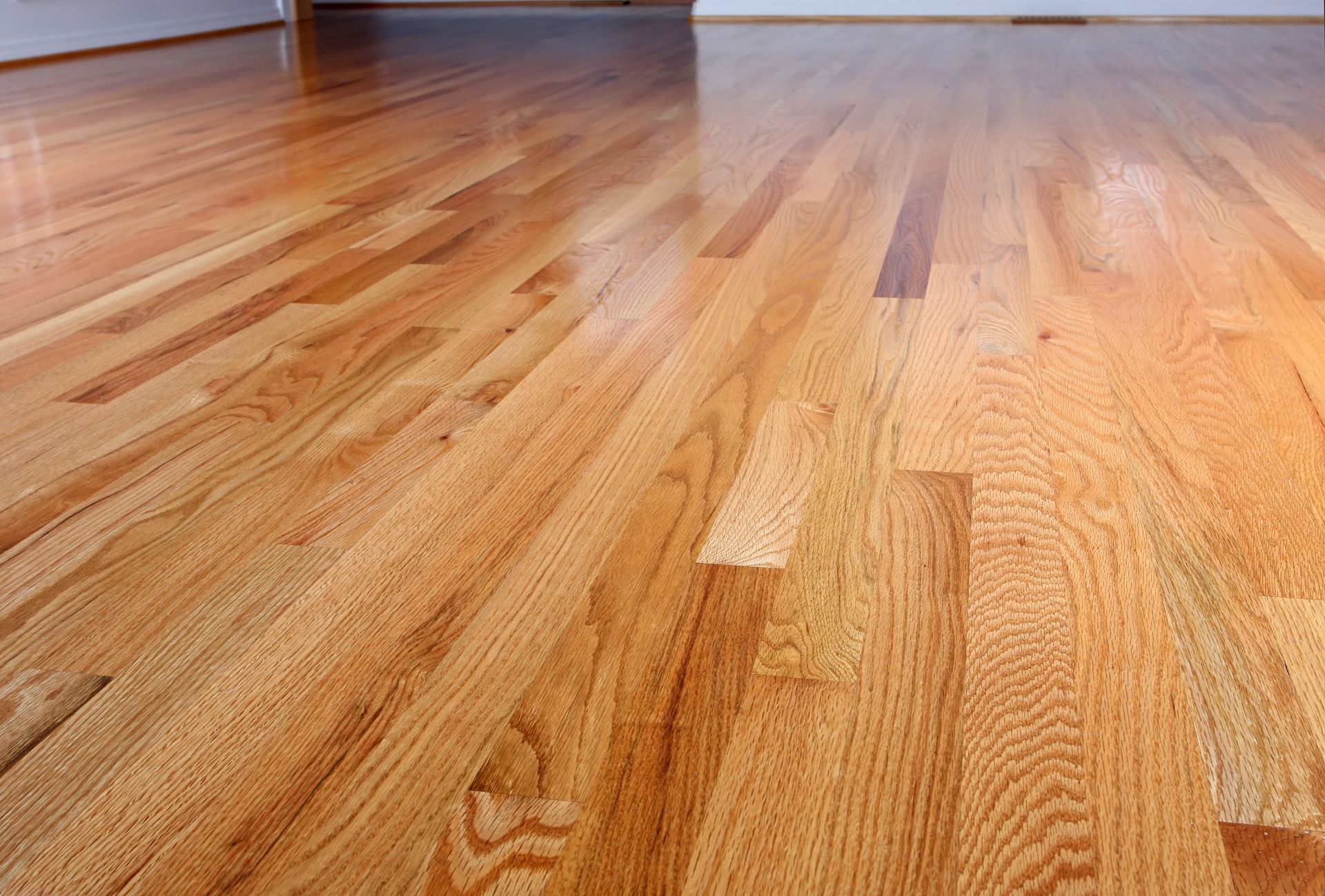
The grain pattern of hardwood can drastically alter the appearance of a room. Straight grain patterns offer a more uniform look, while spiral or wavy grains provide a rustic or unique appearance. Different cuts, such as flat-sawn, quarter-sawn, and rift-sawn, also influence the pattern and stability of the flooring. The choice in grain pattern should align with the overall decor and style of your home. A well-chosen grain pattern can enhance the visual appeal, making a dramatic effect on the room's ambiance.
Durability and Longevity
Hardwood flooring is known for its longevity and can last decades when properly cared for. According to the National Wood Flooring Association, hardwood flooring can last as long as 100 years with proper maintenance. However, the durability of hardwood floors is heavily dependent on the species and finish. Harder woods like oak and maple offer more resistance to dents and wear, making them ideal for high-traffic areas. Regular maintenance, including cleaning and refinishing, can further extend the lifespan of your floors.
Assessing Your Home's Environment
Climate Considerations and Humidity
The climate and humidity of your home environment play an essential role in choosing hardwood floors. Wood naturally absorbs and loses moisture with changes in the air, which can lead to expansion or contraction. Homes in humid areas might benefit from engineered hardwood, which is less sensitive to moisture changes. Installing a humidifier or dehumidifier can also help maintain optimal conditions for hardwood floors. Understanding how your local climate affects wood can prevent potential issues like warping or cracking.
Installation Locations and Room Usability
Not all hardwoods are suitable for every room in your home. It's common to use hardwood flooring in living rooms, dining rooms, and bedrooms where moisture is less of a concern. However, for areas like kitchens and basements, where water damage is a risk, engineered hardwood or additional protective measures are advisable. You should also think about the room's purpose and foot traffic, as this could influence the wear and tear on the floors. Proper selection based on room usability ensures the longevity and functionality of your flooring.
Subfloor Preparation and Compatibility
The type of subfloor in your home is fundamental to the installation of hardwood flooring. Common subfloors include plywood, concrete, and old wood flooring, each with its own installation techniques and material compatibility considerations. Properly prepared subfloors provide a stable foundation, ensuring the hardwood remains durable and reduces noises like creaks. Professional evaluation by a flooring expert can help determine any modifications needed to your subfloor before installation. Attention to subfloor preparation is critical for the long-term success of your hardwood flooring.
Impact on Indoor Air Quality
Choosing hardwood flooring can also favorably influence the indoor air quality of your home. Unlike carpets, hardwood does not harbor allergens, dust mites, or pet dander, contributing to a cleaner, healthier environment. However, certain finishes and adhesives used in installation can release volatile organic compounds (VOCs), which could impact air quality. Opting for low-VOC finishes and proper ventilation during installation can mitigate this concern. Conscious choices in materials and finishes benefit both your health and the environment.
Evaluating Hardwood Flooring Finishes
Oil vs. Polyurethane Finishes
Two main types of finishes dominate the hardwood flooring market: oil and polyurethane. Oil finishes penetrate the wood and enhance its natural look while offering a matte appearance. Polyurethane finishes form a protective coating on the surface, providing added durability and a glossy finish. The choice between oil and polyurethane often comes down to aesthetics and maintenance preferences. Both options offer distinct advantages, which should be weighed according to personal preference and intended usage of the space.
Effect of Finishes on Durability
The type of finish directly affects the durability of hardwood floors. Polyurethane finishes are more resistant to scratches and water, which makes them ideal for high-traffic areas. Oil finishes may require more frequent touch-ups but also allow for easier scratch repair since they penetrate the wood. Consider the wear-and-tear your floors will face when choosing the right finish. Properly selecting the type of finish will ensure enduring looks and durability tailored to your lifestyle.
Aesthetic Differences Between Finishes
Your choice of finish greatly influences the final appearance of the flooring. Oil finishes provide a more traditional look with a softer, matte finish that highlights the wood grain. Polyurethane finishes offer a more modern, glossy appearance but don't emphasize the wood's natural patterns as much. The decision will largely be based on your overall design aesthetic and how you envision the completed space. This choice can significantly alter the ambiance of your rooms, lending either a cozy or a sleek feel.
Environmental Impact of Finishes
The environmental footprint of your hardwood floors extends even to the choice of finishes. Oil-based and solvent-heavy polyurethanes can release VOCs, which are harmful to indoor air quality. Water-based polyurethanes, on the other hand, are less toxic and emit fewer VOCs. Eco-friendly finishes have become more accessible as manufacturers adapt to growing environmental awareness. Consciously choosing eco-friendly finishes can contribute significantly to a healthier home and planet.
Choosing hardwood flooring for a remodel involves a multifaceted decision-making process that balances aesthetics, budget, and practical concerns. By understanding material types, evaluating finishes and installation methods, and considering environmental factors, homeowners can make well-informed choices that align with their needs and lifestyle. Maintenance plays a significant role in ensuring the longevity of the floors, preserving their beauty and functionality. Weighing the pros and cons allows for a comprehensive understanding of the benefits of hardwood flooring, securing an investment that enhances the home's value and aesthetic appeal. Ultimately, informed choices ensure the selection process is as rewarding as the timeless elegance of the wood itself, so call Anchor Wood Floors today to get started.